Optimal Timing for Fencing Repairs
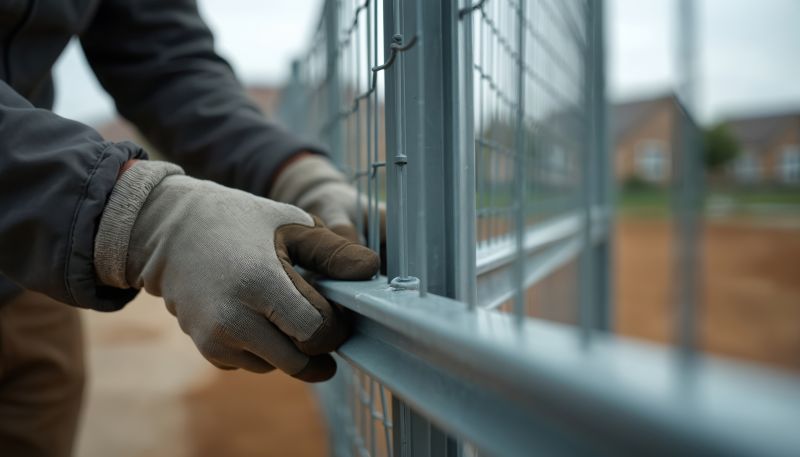
Spring is an ideal time for fencing repairs due to moderate weather and increased outdoor activity.
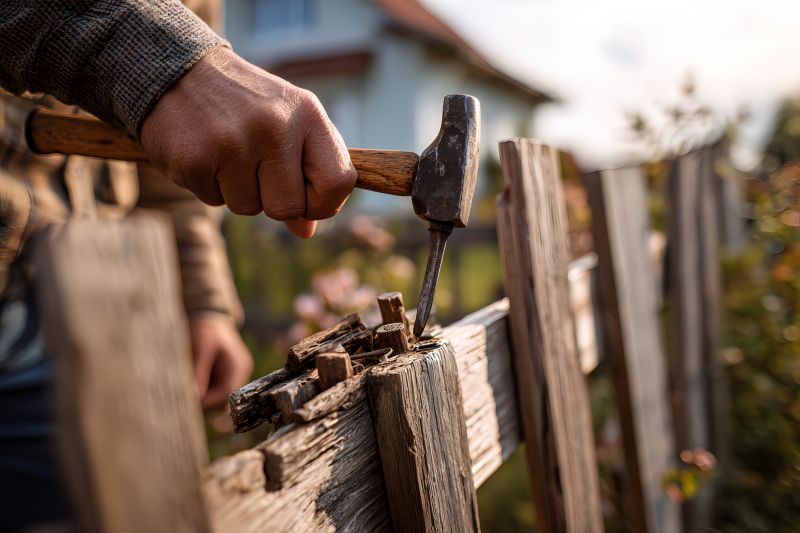
Late summer offers warm, dry conditions suitable for completing fence repairs before colder months.
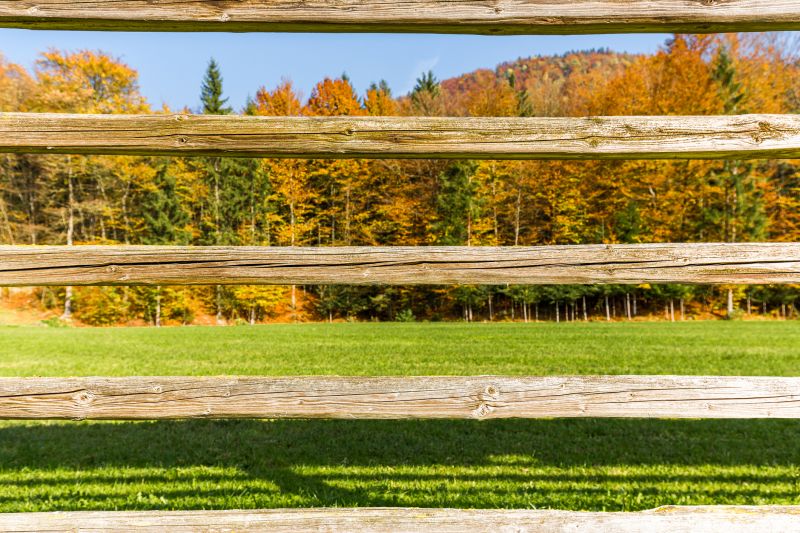
Early fall provides cooler temperatures and less rain, making it a good window for fencing projects.
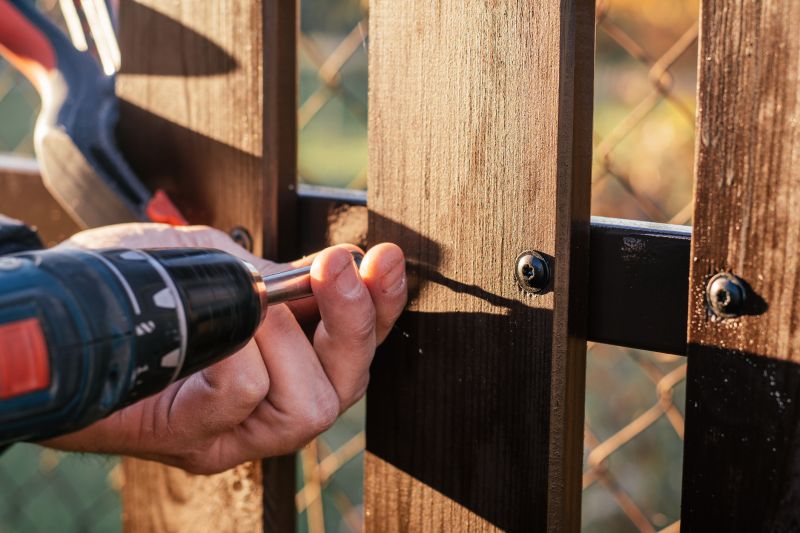
Ways to make Fencing Repairs work in tight or awkward layouts.
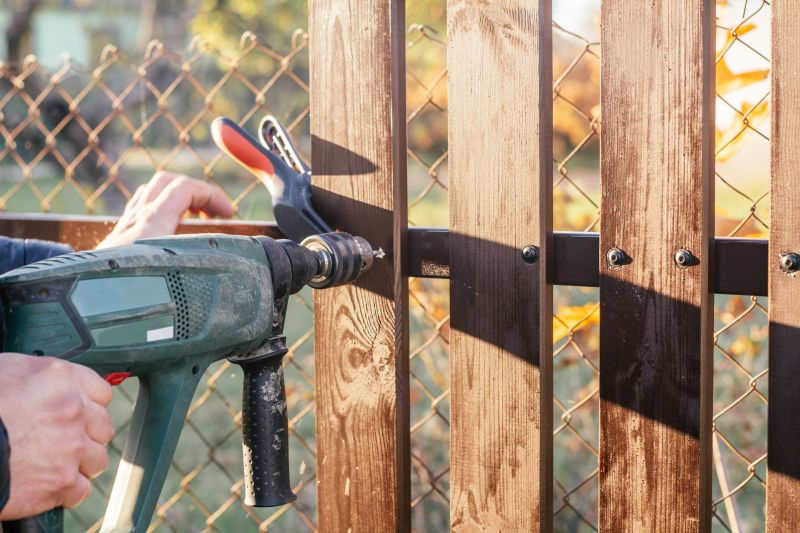
Popular materials for Fencing Repairs and why they hold up over time.

Simple add-ons that improve Fencing Repairs without blowing the budget.
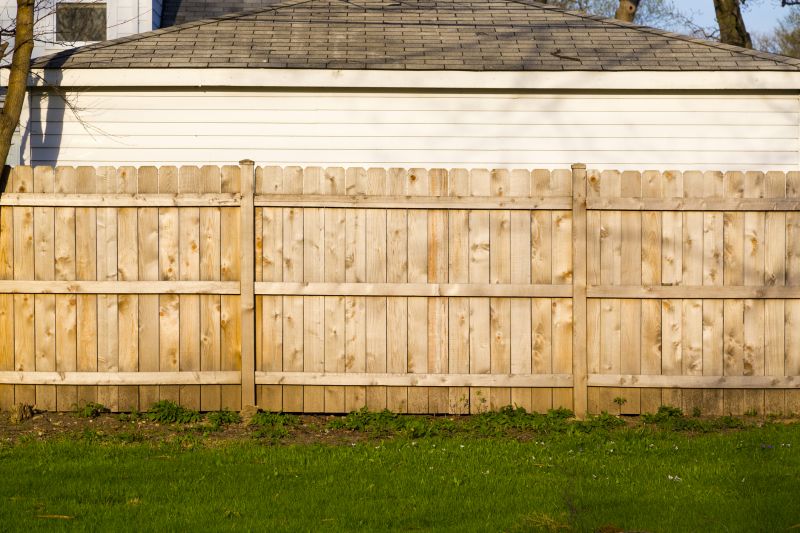
High-end options that actually feel worth it for Fencing Repairs.
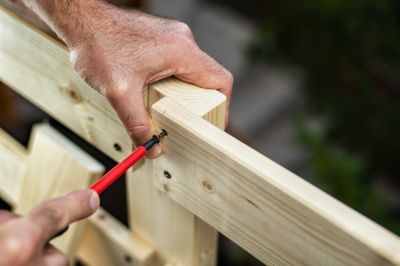
Finishes and colors that play nicely with Fencing Repairs.
Fencing repairs are essential for maintaining property boundaries, enhancing privacy, and ensuring safety. The timing of repairs can influence the durability and cost-effectiveness of the work. Properly timed repairs can prevent further damage caused by weather, pests, or wear and tear. Regular inspections and timely interventions help extend the lifespan of fencing structures, saving costs over time.
Dry and mild weather conditions are best for fencing repairs to ensure materials set properly and prevent delays.
Certain fencing materials, like wood, are more susceptible to weather damage and should be repaired during optimal seasons.
Fences often experience seasonal stress; repairing after harsh weather helps prevent further deterioration.
Repairs are best scheduled during times when property use is lower, minimizing disruption.
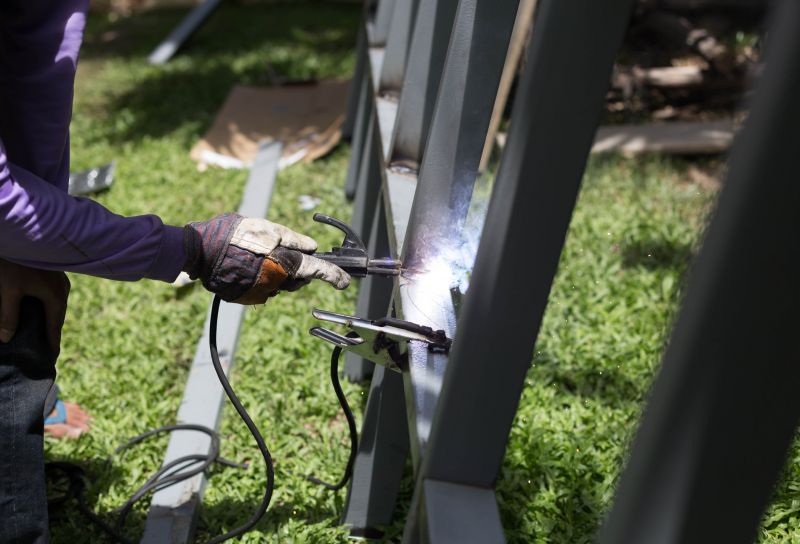
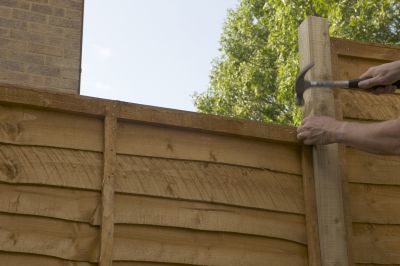
Spring provides ideal conditions for fence repairs with moderate temperatures and longer daylight hours.
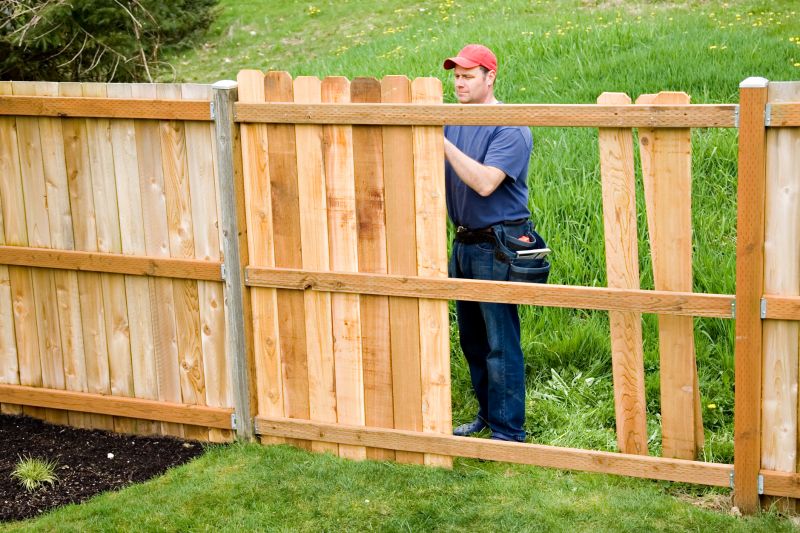
Summer's warm, dry weather allows for quick and effective fencing projects.
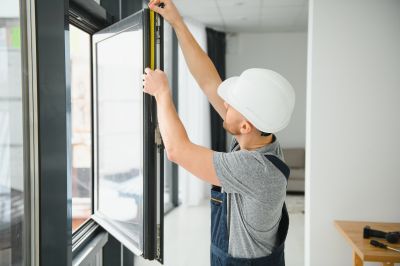
Early fall is suitable for fencing repairs before winter weather sets in.
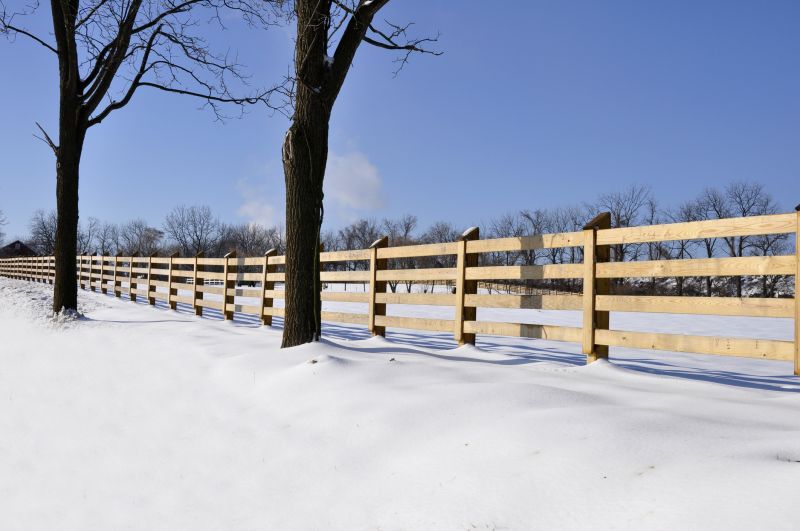
Winter is generally less suitable for fencing repairs due to cold and wet conditions, but some projects can be scheduled indoors or during mild spells.
Little measurements that prevent headaches on Fencing Repairs day.
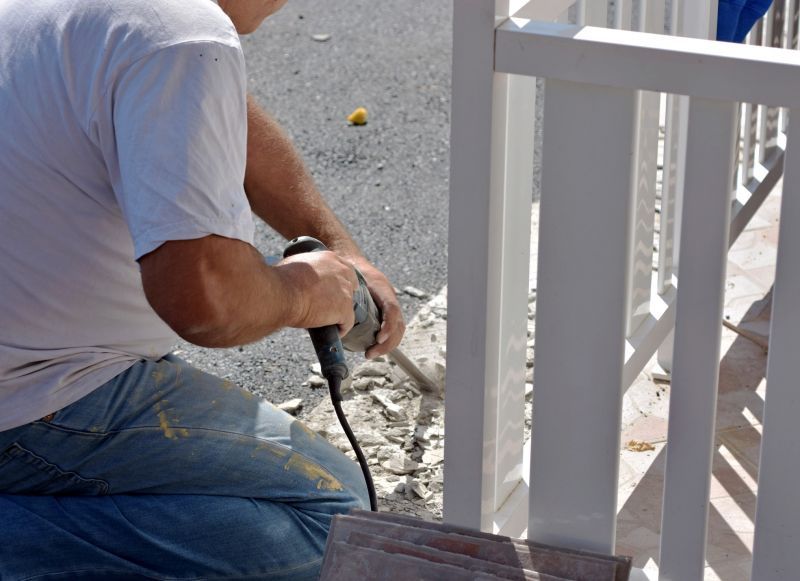
A 60-second routine that keeps Fencing Repairs looking new.
| Season | Optimal Repair Conditions |
|---|---|
| Spring | Moderate temperatures, less rain, ideal for most materials |
| Summer | Warm, dry weather, quick project completion |
| Fall | Cooler temperatures, less rain, pre-winter repairs |
| Winter | Cold, wet, generally not recommended, indoor options possible |
Choosing the right time for fencing repairs depends on local climate, material type, and property usage patterns. Proper timing ensures that repairs are effective and durable, reducing the need for frequent follow-up work. Consulting with fencing professionals can help determine the best season based on specific project requirements and regional weather conditions.
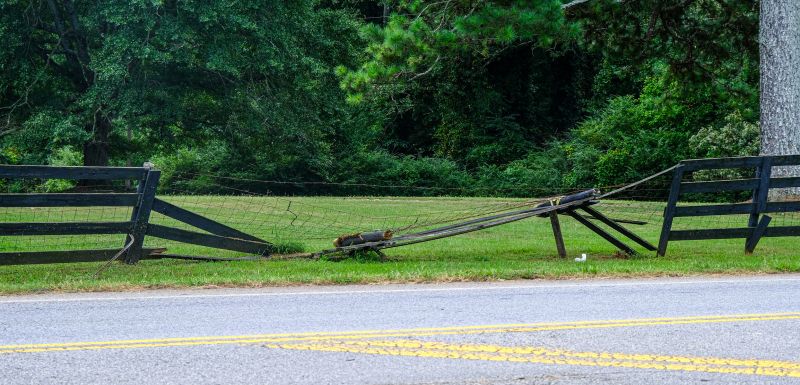
Spring offers optimal weather for durable fencing repairs with minimal weather disruptions.
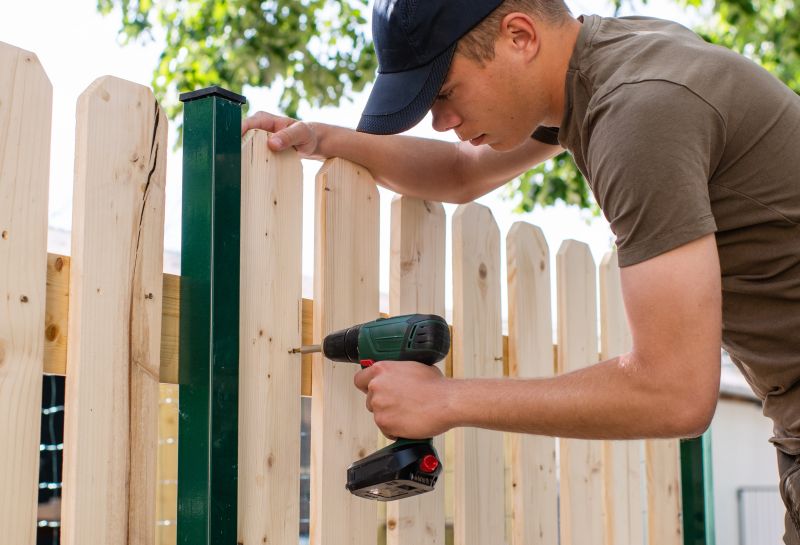
Summer's dry conditions facilitate quick, effective repairs and maintenance.
Early fall prepares fences for winter, reducing long-term damage.
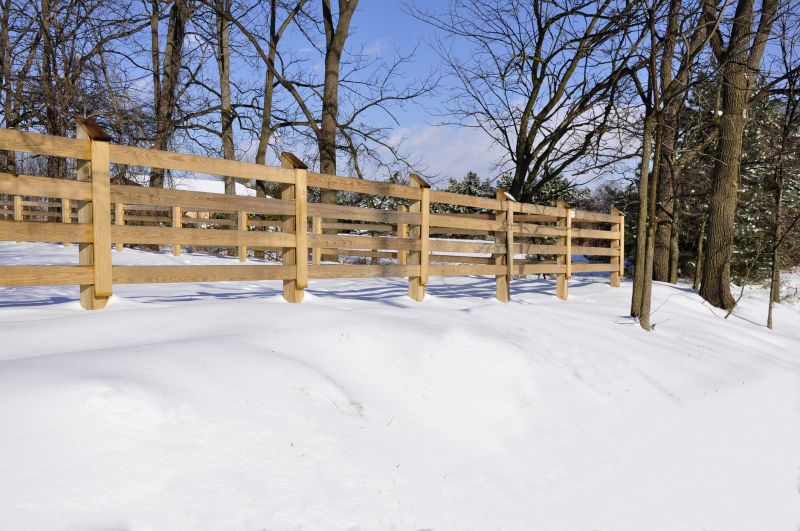
Winter presents challenges due to cold and moisture, but some repairs can be planned during mild spells.
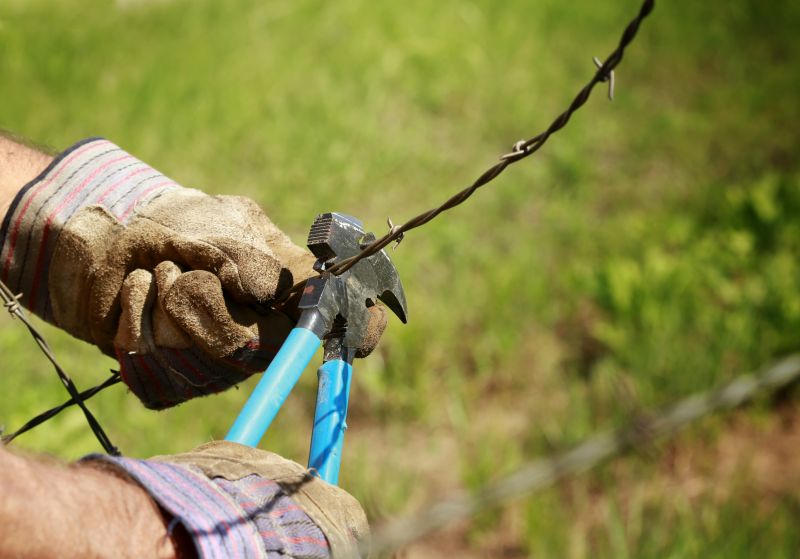
Small tweaks to make Fencing Repairs safer and easier to use.
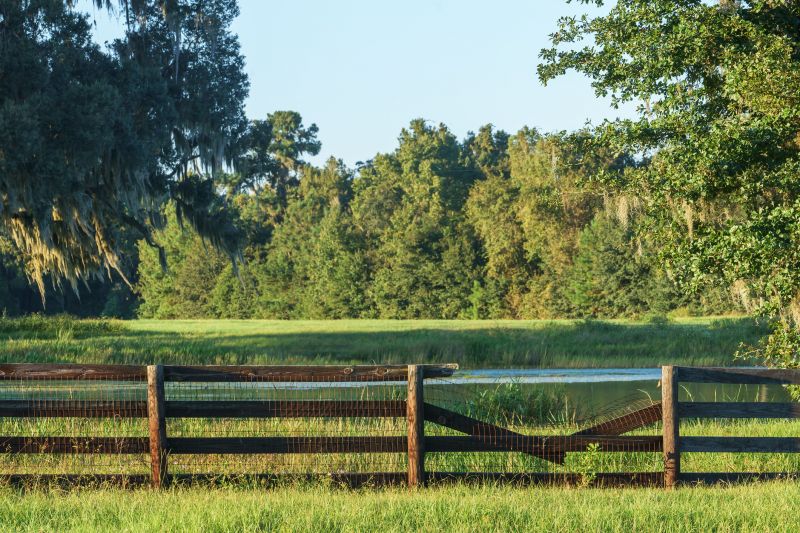
Lower-waste or water-saving choices for Fencing Repairs.
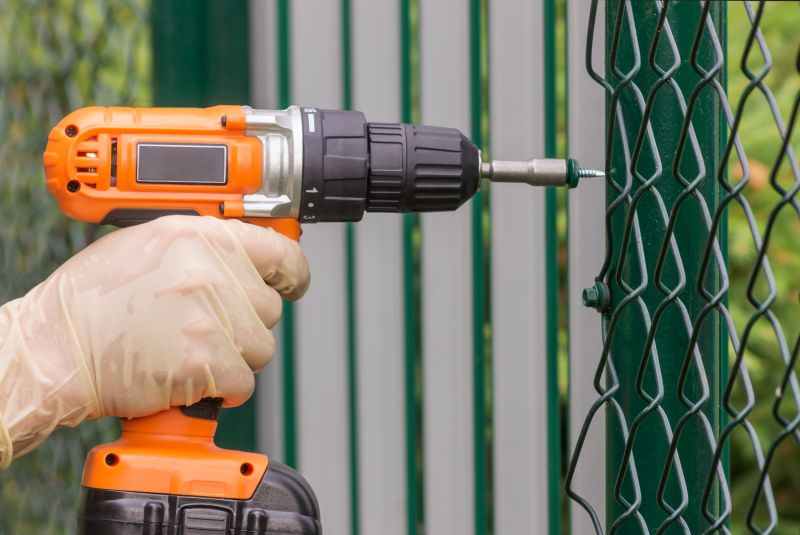
The short, realistic tool list for quality Fencing Repairs.
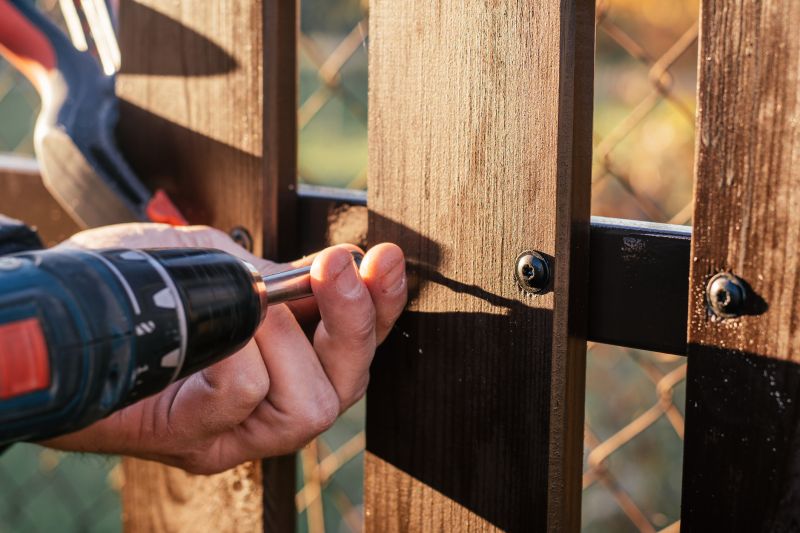
Rough timing from prep to clean-up for Fencing Repairs.
Timely fencing repairs contribute to the longevity and safety of fencing structures. Awareness of seasonal conditions and planning accordingly can help property owners achieve the best results. Regular inspections and maintenance during suitable seasons can prevent more costly repairs in the future.
Aligning repairs with favorable weather conditions can improve durability and reduce costs.
Weather conditions influence how materials settle and how long repairs last.
Scheduling repairs during optimal seasons can prevent extensive future damage.
Consulting fencing specialists helps identify the best seasonal window for repairs.